
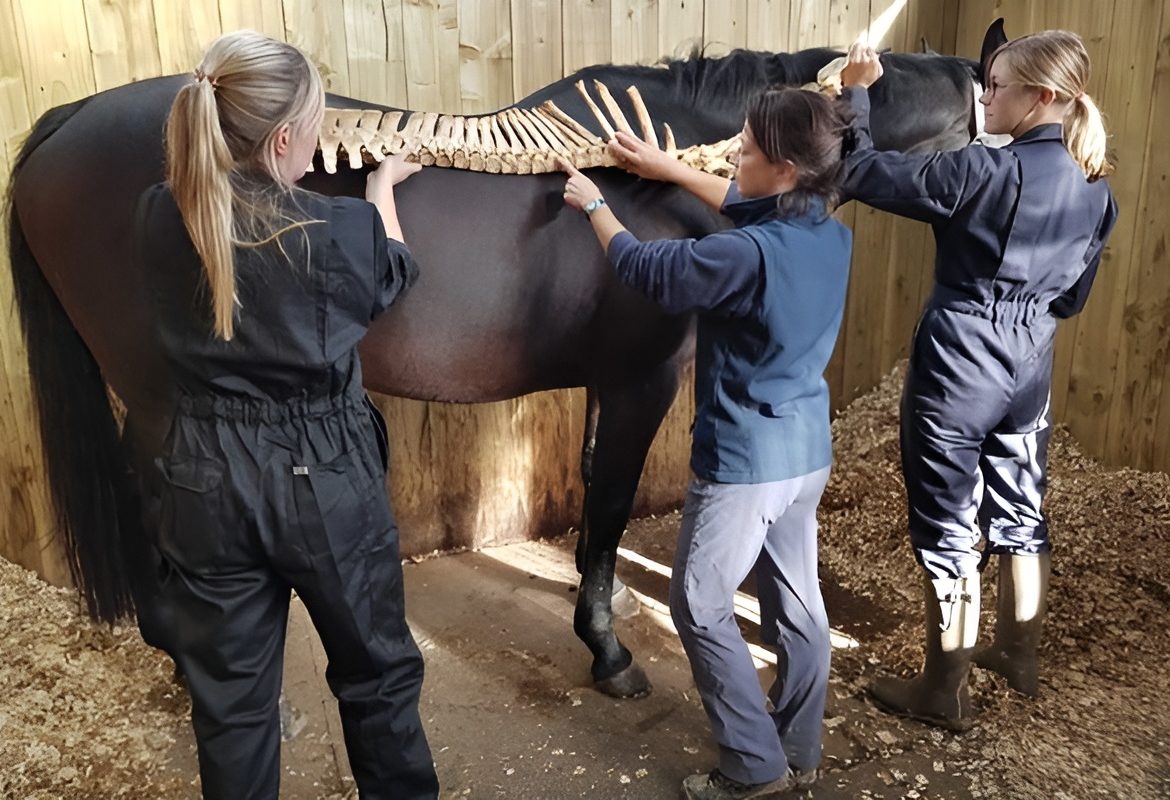
Are you ready for the new Veterinary Act?
So …….you have spent some time and money doing a course in Equine Massage. You might be working regularly on horses. You might be a member of a professional association, hold insurance, and do your best to maintain good professional standards, and understand that you must work as part of the vet led team. But where will you stand when the new Veterinary Act comes in ???
It has been accepted in the veterinary industry for some time that there is a need to regulate paraprofessionals working on animals for reasons of animal welfare and professional standards. There are sadly a lot of people out there working as massage therapists who are not members of any professional association or Register; and, because their knowledge is limited, miss problems which should be referred to veterinary care.
Owners usually think they are doing a good thing for the horse in arranging a massage, but rarely know how or where to check the quality of the person working on their animal. The new Vet Act will seek to change this and seek to regulate practice in this area.
SO WHAT IS LIKELY TO CHANGE??
Further to several, in-depth industry consultations involving professionals, various musculoskeletal practitioners and the public, it is highly probable that all levels of musculoskeletal practitioners will be regulated. By whom and how is still under active discussion. But it is becoming increasingly important that your massage training should meet minimum standards to be ready for the change.
This plan is not new. Several years ago DEFRA asked the industry to demonstrate its readiness for such regulation by developing a voluntary register of professionals willing to be regulated in this way. Two Voluntary Registers were subsequently set up – RAMP (the Register of Animal Musculoskeletal Practitioners) and AHPR (the Animal Health Professions Register). RAMP regulate therapists qualified from Level 6 upwards who are Physios, Osteos and Chiros. AHPR regulate therapists from Level 3 upwards in a wider range of disciplines including Physio, Osteo and Chiro. Massage therapists are generally regulated by AHPR.
Regulation in the future is likely to continue to involve these two Registers, or a future incarnation of them.
To be listed on the AHPR Register, your training course must have met certain criteria in terms of content, standard and duration/hours. The course must be one which is regulated by OFQUAL – so Level 3, Level 4, Level 5, etc. A course which is “Level 4 equivalent” is not an OFQUAL Regulated course – and thus is not a formal Qualification.
https://www.ahpr.org.uk/accredited-courses/
WHAT IS THE DIFFERENCE BETWEEN A PROFESSIONAL ASSOCIATION AND A VOLUNTARY REGISTER?
You may not be registered with AHPR but you may be a member of a Professional Association (PA). To have membership of that PA you should have undertaken some kind of training course in your subject, hold professional indemnity insurance, and will probably be required to maintain a certain level of CPD hours a year. However, a PA is not a Register. PAs are essentially industry support networks for practitioners which may provide your CPD and indeed monitor your hours and encourage good practice, but they have no regulatory power.
The PA looks after you; the Register protects the public by maintaining practice standards. The Register accredits courses; a PA does not although it may endorse them. DEFRA want to see practitioners agreeing to be listed on a professional Register which does seek to regulate practice standards, and PAs do not fit in to this role. Registers will become increasingly important as the new Vet Act is written.
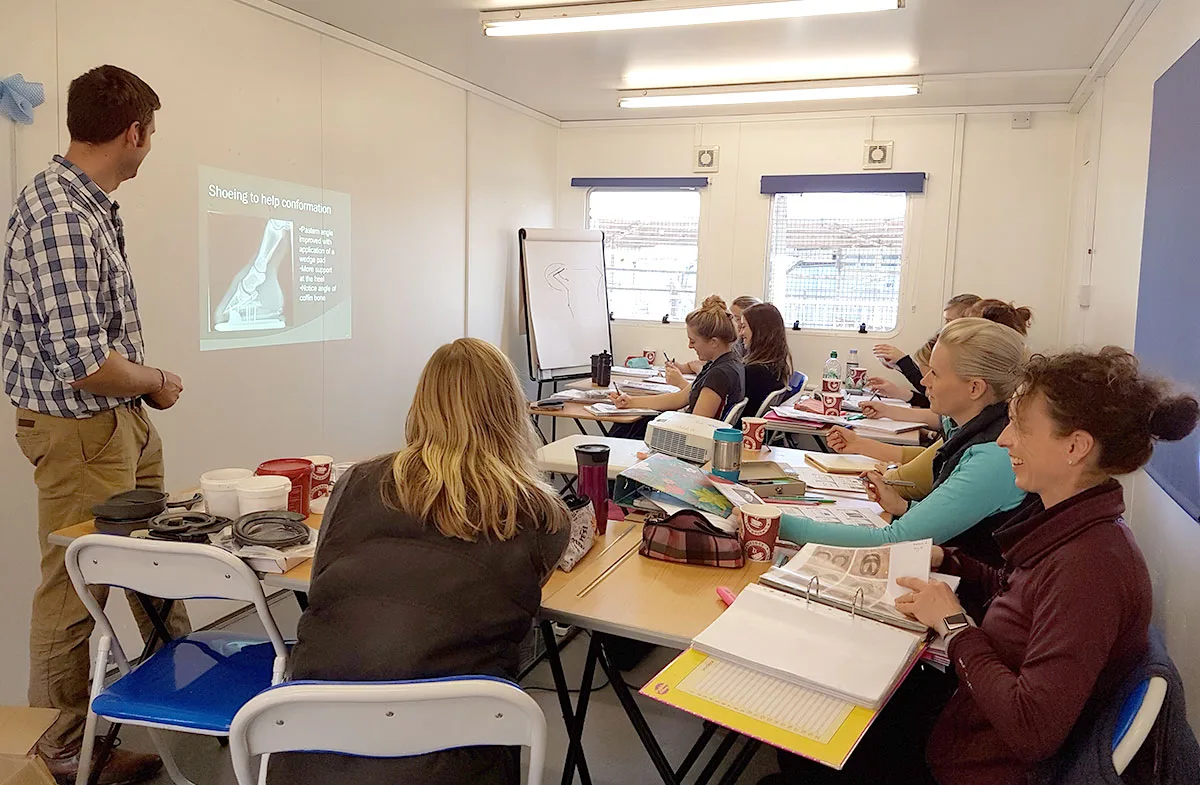
WHAT CAN WE OFFER??
AT ATSL we recognise that there are many practitioners out there who have undertaken some kind of training, but that the training was not a Regulated qualification and will not therefore enable the therapist to achieve entry on to a Voluntary Register (namely AHPR as the Registers currently stand).ATSL trained practitioners are eligible for entry on to AHPR, and our qualification is also recognised by RAMP.
We will now offer a mechanism whereby therapists can improve their qualification to an OFQUAL Regulated Level 4 Diploma. Completion of this course will elevate students to be eligible for AHPR registration.
This will involve undertaking an abridged version of our Level 4 Diploma in Equine Sports Massage. We will look at your existing training and assess what is needed to top it up, but we will offer practical training and also theory lectures. Case study work, and external practice hours will be required.
Subject to students successfully passing an early examination in anatomy we will generally accept (via Recognised Prior Learning) their prior anatomy knowledge. Students who do not pass this examination will have an extra module to undertake AT EXTRA COST.
We will require on-site, in-person attendance as this is the only safe and effective way to properly teach and develop massage techniques, sports injury techniques and specialist manual techniques. Theory lectures around management subjects, including contributions from visiting external lecturers, will also be given as will training in professional communication and report writing.
To register your interest for this Abridged Level 4 Diploma please contact helen
Dates for 2026 are available on our website.


